
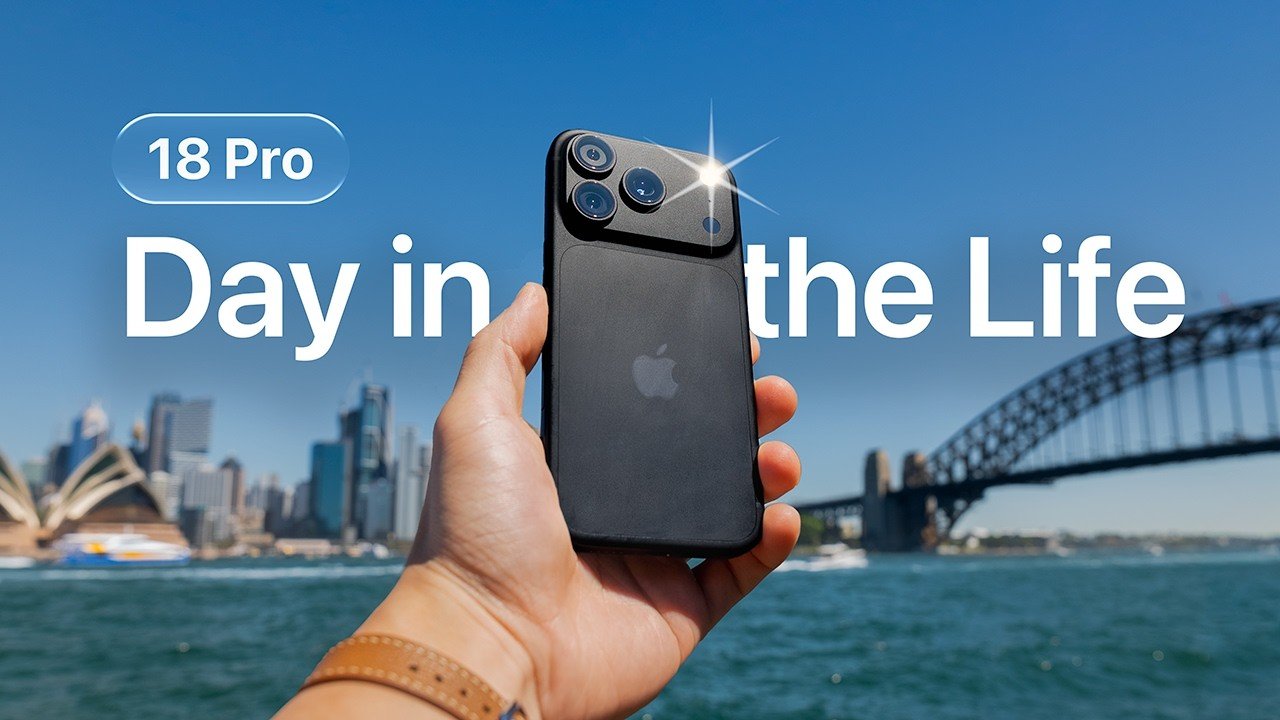
Today’s smartphones promise impressive speed, stunning displays, professional-quality cameras, and batteries designed to last all day. Yet, the real test begins after users leave the showroom and start using their devices in everyday life. From navigating busy streets to streaming videos and managing multiple applications, real-world performance reveals what specifications alone cannot explain.
For consumers choosing their next phone, understanding this difference is becoming increasingly important. A device may feature a powerful processor and generous memory, but its actual performance depends on how well its hardware, software, battery, and cooling systems work together.
Smartphone manufacturers often highlight benchmark scores, processor speeds, and memory capacities to demonstrate their products’ capabilities. These measurements offer useful comparisons, but they do not always reflect how smoothly a phone handles everyday activities.
Opening applications, switching between tasks, editing photos, and browsing demanding websites provide a more practical picture. A well-optimized midrange smartphone can sometimes feel more responsive during routine use than a more expensive device with less efficient software.
Consistency also matters. A phone that performs exceptionally well for a few minutes but slows down during extended gaming or video recording may disappoint users who expect reliable performance throughout the day.
Battery Life Remains a Major Deciding Factor
Battery endurance continues to influence how people evaluate their smartphones. Large battery capacities can be attractive, but actual longevity depends on several factors, including display brightness, network conditions, background applications, and processor efficiency.
For example, a smartphone used primarily for messaging and reading may last significantly longer than the same device used for navigation, video streaming, and mobile gaming. Poor cellular reception can also increase power consumption as the phone works harder to maintain its connection.
Charging technology adds another dimension to the experience. Fast charging can restore substantial battery power in a short period, although charging speeds vary with temperature, battery level, and the charger being used.
Cameras Face Their Biggest Test Outside the Studio
Modern smartphone cameras have become remarkably capable, but everyday photography remains challenging. Bright sunlight, dim restaurants, moving subjects, and nighttime street scenes can produce very different results from controlled promotional demonstrations.
Computational photography helps smartphones improve exposure, reduce noise, and balance colors automatically. However, image processing can sometimes make photographs appear overly sharpened or artificially bright, particularly in difficult lighting conditions.
Video recording presents additional challenges. Stabilization, autofocus, microphone quality, and heat management all influence the final result. For users who regularly capture family moments, travel experiences, or social media content, these practical details can matter more than headline megapixel counts.
Displays, Connectivity, and Everyday Comfort
A high-refresh-rate display can make scrolling and animations feel smoother, while strong outdoor brightness improves visibility under direct sunlight. Nevertheless, display quality also depends on color accuracy, touch responsiveness, and how comfortably the screen can be viewed over extended periods.
Connectivity is equally important. Reliable Wi-Fi, stable cellular reception, and responsive GPS navigation can significantly improve the user experience. Even a powerful smartphone becomes frustrating when applications struggle to load because the connection is inconsistent.
Software support deserves attention, too. Regular security updates, dependable operating system upgrades, and sensible background resource management can help a phone remain useful for years rather than months.
The Best Smartphone Is the One That Performs Consistently
Real-world smartphone performance is ultimately about balance rather than a single impressive specification. Processing power, battery efficiency, camera quality, thermal management, and software optimization all contribute to a satisfying daily experience.
Before purchasing a new device, consumers should consider their personal routines, compare independent performance tests, and examine long-term battery and software reviews. The smartest choice is not necessarily the phone with the biggest numbers or highest price, but the one that reliably meets everyday needs without unnecessary compromises.
As smartphones continue to evolve, practical performance will remain a more meaningful measure of quality than marketing promises alone.