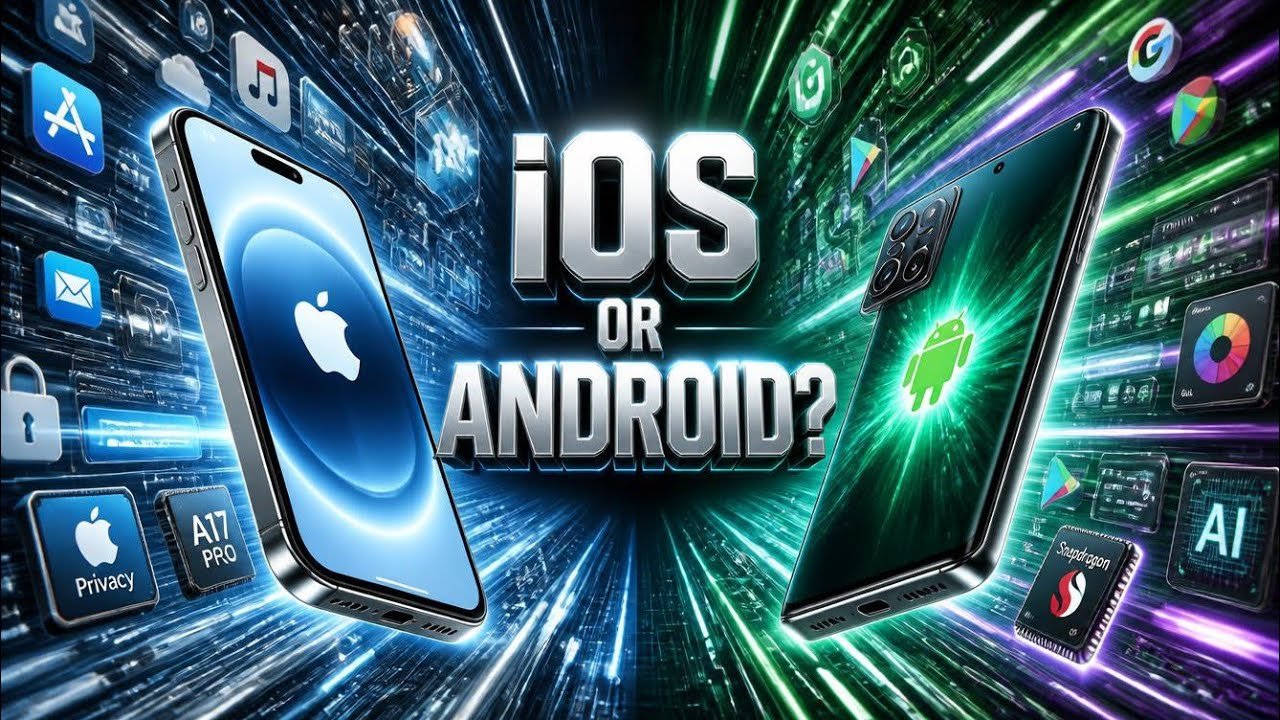
Choosing between Android and iPhone has become more interesting than ever. Both smartphone platforms offer powerful performance, impressive cameras, and features designed to make everyday life easier.
However, they approach the mobile experience differently, making the right choice depend on your budget, lifestyle, and personal preferences.
While some users appreciate the freedom Android provides, others prefer the simplicity and connected experience of Apple’s iPhone. Understanding their key differences can help you find a smartphone that feels less like an expensive gadget and more like a practical companion.
Price and Value: Flexibility Versus Premium Appeal
One of Android’s biggest advantages is its wide selection of devices. From affordable smartphones for everyday communication to premium models packed with advanced technology, Android offers options for almost every budget. Buyers can explore different brands, screen sizes, designs, and hardware specifications without being limited to a single manufacturer.
The iPhone lineup generally focuses on a more controlled range of devices, with premium models often carrying higher starting prices than budget-friendly Android alternatives. Nevertheless, older iPhones can still offer excellent performance, making them attractive to buyers who want Apple’s experience without purchasing the newest release.
Performance and Software Experience
Both Android and iPhone deliver impressive performance, although the experience varies depending on the specific device. Apple’s iPhones use chips designed to work closely with iOS, helping deliver smooth everyday operation, responsive applications, and strong performance in demanding tasks such as gaming and video editing.
Android smartphones, meanwhile, range from entry-level devices to powerful flagships. Premium Android models can compete directly with high-end iPhones, while budget models may require compromises in processing power or multitasking. Android also offers extensive customization, allowing users to personalize home screens, widgets, default applications, and other aspects of their experience.
Camera Quality: More Than Megapixels
For photography enthusiasts, both platforms provide compelling choices. Modern iPhones are known for consistent image processing, natural-looking video, and reliable results across many shooting conditions. These strengths make them appealing to people who frequently record family moments, create social media content, or capture videos while traveling.
Android devices offer considerable variety in camera technology. Some models emphasize zoom photography, while others prioritize high-resolution sensors, night photography, or creative camera controls. Ultimately, camera quality depends more on the particular smartphone than on the operating system alone. Comparing real-world photo and video samples is often more useful than judging specifications on paper.
Battery Life, Security, and Updates
Battery life depends on several factors, including battery capacity, screen brightness, processor efficiency, and individual usage habits. Some Android phones offer exceptionally large batteries and fast charging, while iPhones can provide competitive endurance through hardware and software optimization. Neither platform guarantees the longest battery life across every model.
Security and software support also deserve attention. Apple maintains close control over its hardware and software ecosystem, while Android manufacturers provide updates according to their respective policies. Buyers should check the promised support period for the exact model they intend to purchase. Regular updates, strong authentication, and responsible app permissions matter regardless of platform.
Which Smartphone Should You Choose?
Android may be the better fit if you value affordability, extensive customization, diverse hardware choices, and features such as flexible file management. It is particularly appealing to shoppers who want to compare several manufacturers before making a decision.
An iPhone may suit you better if you prefer a straightforward interface, consistent software integration, and convenient connections with other Apple devices. It can be especially attractive for users who already own a Mac, iPad, or Apple Watch.
Ultimately, the best smartphone is not necessarily the most expensive or technologically advanced. It is the one that fits your everyday needs, comfortably matches your budget, and delivers features you genuinely use. Before buying, compare specific models, battery performance, camera results, update commitments, and total cost. When Android and iPhone are evaluated against your actual priorities, the right choice becomes much clearer.