
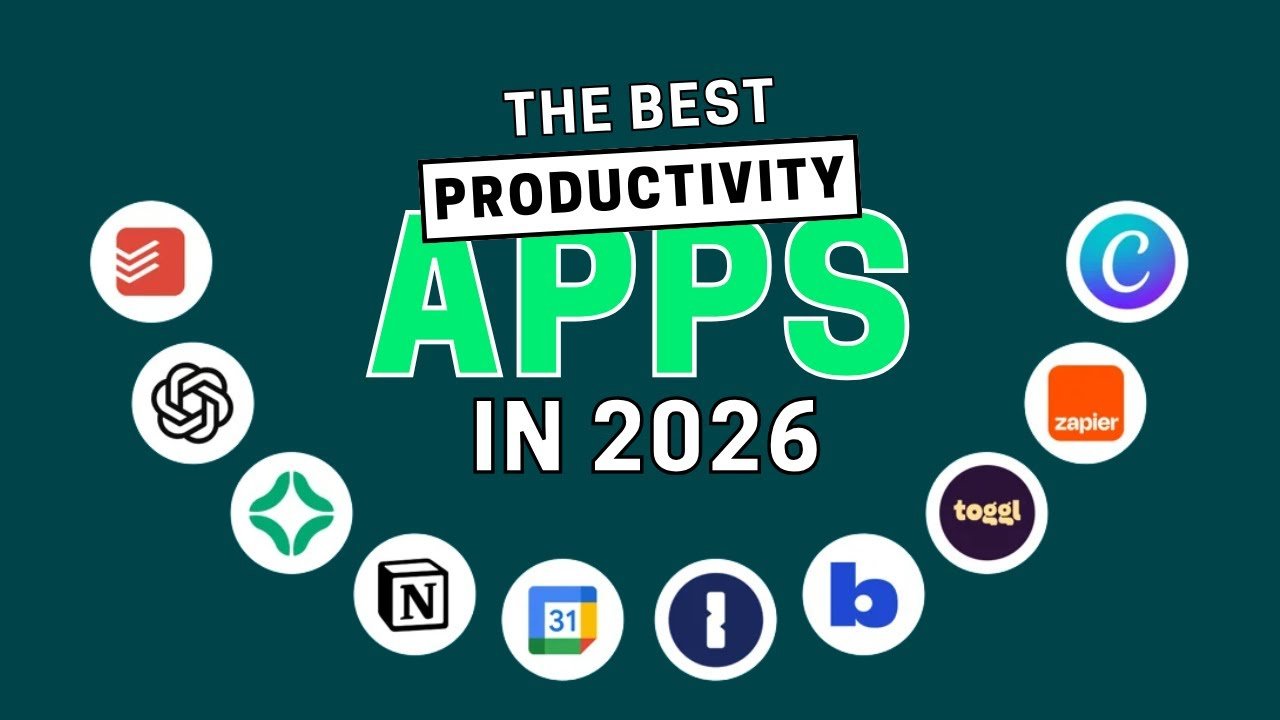
In a world filled with endless notifications, busy schedules, and growing to-do lists, staying productive can feel like a full-time job. Fortunately, productivity apps are changing how people organize their work, manage their time, and accomplish daily goals. From smart task managers to digital note-taking tools, these applications help users work more efficiently without adding unnecessary complexity to their routines.
The growing popularity of productivity software reflects a simple idea: working harder does not always mean getting more done. By combining organization, automation, and time management in one convenient digital space, the right apps can help people focus on meaningful tasks instead of constantly juggling competing priorities.
Task management apps have become essential tools for professionals, students, freelancers, and business owners. Applications such as Todoist, Microsoft To Do, and TickTick allow users to create task lists, set deadlines, establish priorities, and track progress throughout the day.
Rather than keeping important responsibilities scattered across notebooks, messages, and mental reminders, users can bring everything together in one organized workspace. Features such as recurring tasks, reminders, and project categories make it easier to stay on schedule while reducing the likelihood of overlooking important assignments.
Time Management Tools Help Protect Your Focus
Time is one of the most valuable resources in modern working life, yet distractions can consume hours without producing meaningful results. Time management applications help users understand how they spend their day and identify opportunities to improve their routines.
Tools such as Toggl Track help individuals monitor the time spent on different projects, while Forest encourages focused work through a playful approach to minimizing phone distractions. These applications can make productivity more measurable and encourage healthier work habits.
The key is not to fill every minute with activity. Instead, effective time management creates room for concentrated work, short breaks, and personal responsibilities, helping users maintain a more sustainable balance.
Note-Taking Apps Keep Ideas Within Reach
Great ideas rarely appear at convenient moments. A useful thought might emerge during a meeting, while commuting, or just before bedtime. Digital note-taking applications make it easier to capture those ideas before they disappear.
Notion, Evernote, and Microsoft OneNote offer different ways to collect notes, organize information, and maintain personal or professional knowledge libraries. Depending on the application, users can combine written notes with checklists, documents, databases, and project information.
For people managing multiple projects, having information in one searchable location can save considerable time. Instead of repeatedly searching through old conversations or documents, they can quickly find the details needed to move forward.
Automation Reduces Repetitive Work
Another major advantage of modern productivity apps is their ability to automate routine activities. Tools such as Zapier and IFTTT can connect compatible applications and trigger actions automatically, reducing the need to repeat the same manual steps.
For example, an automated workflow might save email attachments to a designated folder, send notifications when certain events occur, or transfer information between supported services. These small improvements can save valuable time over weeks and months.
Artificial intelligence is also expanding the possibilities. Some productivity platforms can summarize information, help draft documents, organize tasks, and support brainstorming. However, users should review AI-generated content carefully, especially when accuracy and confidentiality matter.
Choosing the Right Apps Matters Most
Although productivity apps offer impressive features, installing too many can create another source of distraction. Switching between several platforms may fragment attention and make simple tasks unnecessarily complicated.
A better approach is to begin with one clear need, such as managing deadlines, organizing notes, or tracking working hours. Choose an application that addresses that problem, learn its essential features, and introduce additional tools only when they provide genuine value.
Ultimately, productivity is not about collecting the largest number of applications or completing every task on a list. It is about creating a system that supports consistent progress, protects attention, and makes everyday responsibilities easier to manage.
With the right combination of digital tools and realistic habits, getting more done can become less stressful and more rewarding. The best productivity app is the one that fits naturally into your routine and helps you focus on what truly matters.

