
The technology industry is moving faster than ever, transforming how people work, communicate, shop, and understand the world. From artificial intelligence to advanced robotics, new innovations are changing business strategies and creating opportunities that seemed impossible just a few years ago. However, behind the excitement lies a major challenge: companies must adapt quickly or risk being left behind.
Several powerful forces are now shaping the industry’s future, influencing everything from global competition to everyday digital experiences. Understanding these developments helps explain why technology companies are investing billions in innovation and why the next decade could look very different from today.
Artificial intelligence has become one of the most influential forces in modern technology. Businesses are integrating AI into customer service, software development, marketing, healthcare, and financial operations. These tools can analyze enormous amounts of information, automate repetitive tasks, and help employees make faster decisions.
Generative AI has added another dimension to this transformation by creating text, images, audio, and computer code. While these capabilities offer exciting possibilities, they also raise concerns about misinformation, privacy, copyright, and employment. Companies that balance innovation with responsible AI practices may gain a significant competitive advantage.
Cloud Computing and Data Infrastructure Expand
The growing demand for digital services has made cloud computing and data infrastructure essential to the technology ecosystem. Businesses increasingly rely on remote servers, scalable storage, and powerful computing resources to operate applications and manage information efficiently.
AI development is accelerating investment in data centers, specialized chips, and high-performance computing systems. Yet this expansion comes with rising electricity consumption, infrastructure costs, and environmental considerations. Technology providers must find ways to deliver greater computing power while improving energy efficiency and reliability.
Cybersecurity Becomes a Business Priority
As organizations become more connected, cybersecurity is no longer simply an IT department responsibility. Cyberattacks, ransomware, identity theft, and data breaches can disrupt operations, damage reputations, and expose sensitive customer information.
The rise of AI presents both opportunities and risks for digital security. Security teams can use intelligent systems to detect suspicious activity, but criminals can also exploit automation to develop more convincing scams. Businesses are therefore strengthening identity verification, employee training, data protection, and continuous threat monitoring.
Semiconductors Drive Global Competition
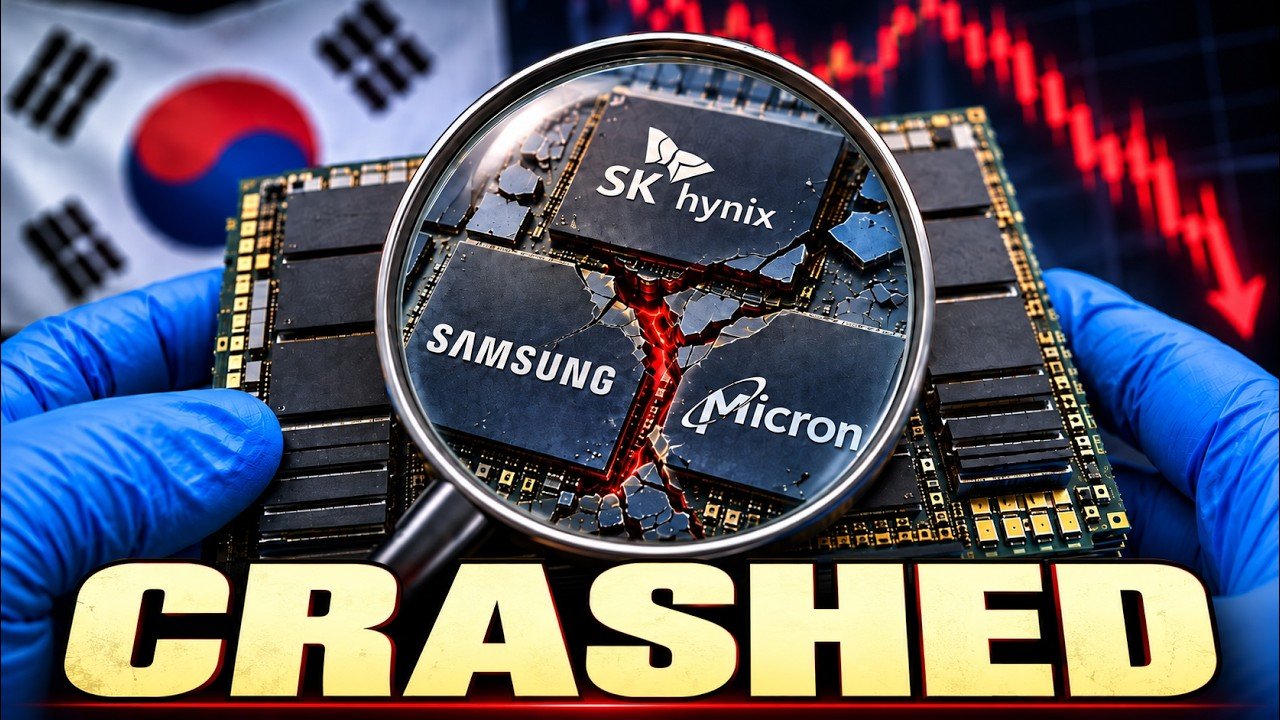
Behind almost every modern digital product is a semiconductor chip. Smartphones, electric vehicles, industrial robots, cloud platforms, and AI systems all depend on increasingly sophisticated processors.
This dependence has turned chip manufacturing into a strategic priority for governments and technology companies. Supply chain disruptions, international trade restrictions, and competition for manufacturing capacity are encouraging investment in domestic production and alternative suppliers. The ability to secure reliable access to advanced chips could influence which companies lead the next wave of technological development.
Sustainability Reshapes Technology Decisions
Environmental responsibility is becoming an important consideration in technology investment. Data centers require substantial electricity, electronic waste continues to grow, and manufacturing devices consumes valuable natural resources.
In response, companies are exploring renewable energy, more efficient processors, recyclable materials, and longer-lasting products. Sustainability is increasingly connected to operational costs and brand reputation, making environmental performance a practical business concern rather than merely a marketing message.
The Future Belongs to Adaptable Innovators
Artificial intelligence, cloud infrastructure, cybersecurity, semiconductors, and sustainability are closely connected forces reshaping the technology industry. Progress in one area often accelerates developments in another, creating an increasingly interconnected innovation landscape.
Ultimately, success will depend on more than introducing the latest product or adopting the newest technology. Companies must earn customer trust, develop skilled workforces, manage risks, and respond to changing expectations. In an industry where change is the only constant, adaptability may become the most valuable competitive advantage of all.